
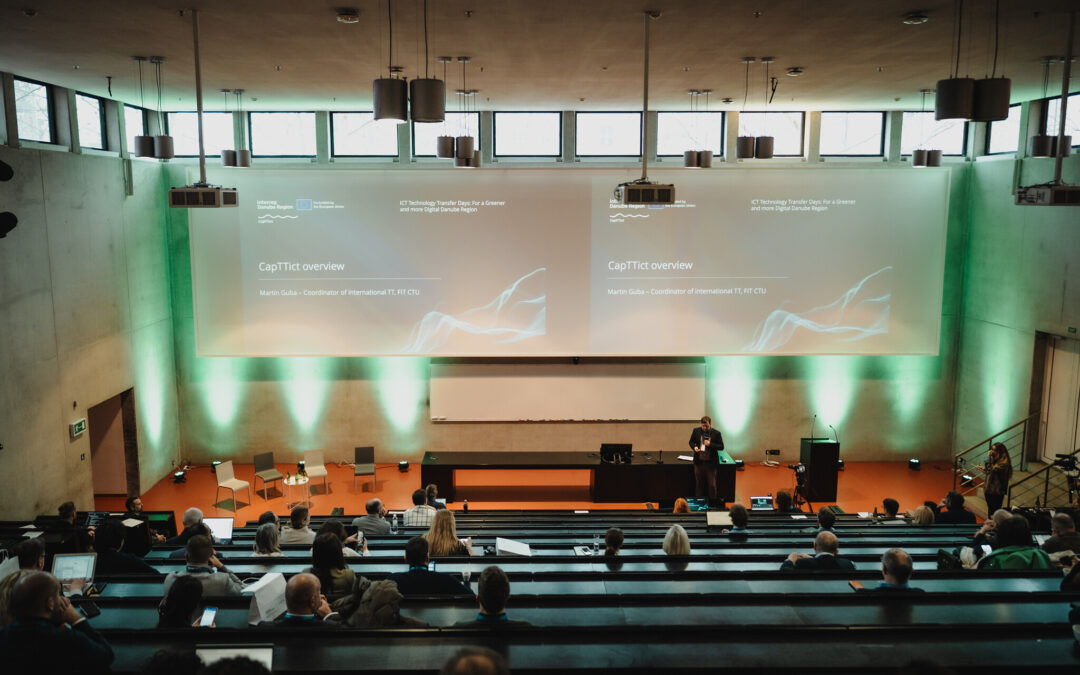
The Cluj IT cluster proudly represented Romania at the ICT Technology Transfer Days: For a Greener and more Digital Danube Region, held in Prague on January 22nd-23rd, 2026, as part of the CapTTict project. Delegates from Cluj IT, Diana Campian and Laviniu Chis, connected with partners, investors, and fellow innovators, with a key highlight being the pitch session for two outstanding Romanian startups supported by the cluster through the Digital Danube Accelerator (DDAccelerator) program.
Inspiring Pitches from Recycllux and FitverseHub
The conference audience—including international project partners, academic representatives, and investors from the Czech startup ecosystem—was introduced to two innovative ventures:
Recycllux (Bucharest): Presented by Sorina Uleia, this deep-tech platform is on a bold mission to tackle marine plastic pollution. Recycllux transforms marine plastic from a problem into an opportunity by using Satellite Detection & AI Analytics to enable companies to fund verified cleanups and demonstrate climate-smart impact. With successful paid pilot interventions on Romania’s Black Sea coast and initial corporate customers secured, the company is now scaling up, expanding from the Black Sea to the Mediterranean.
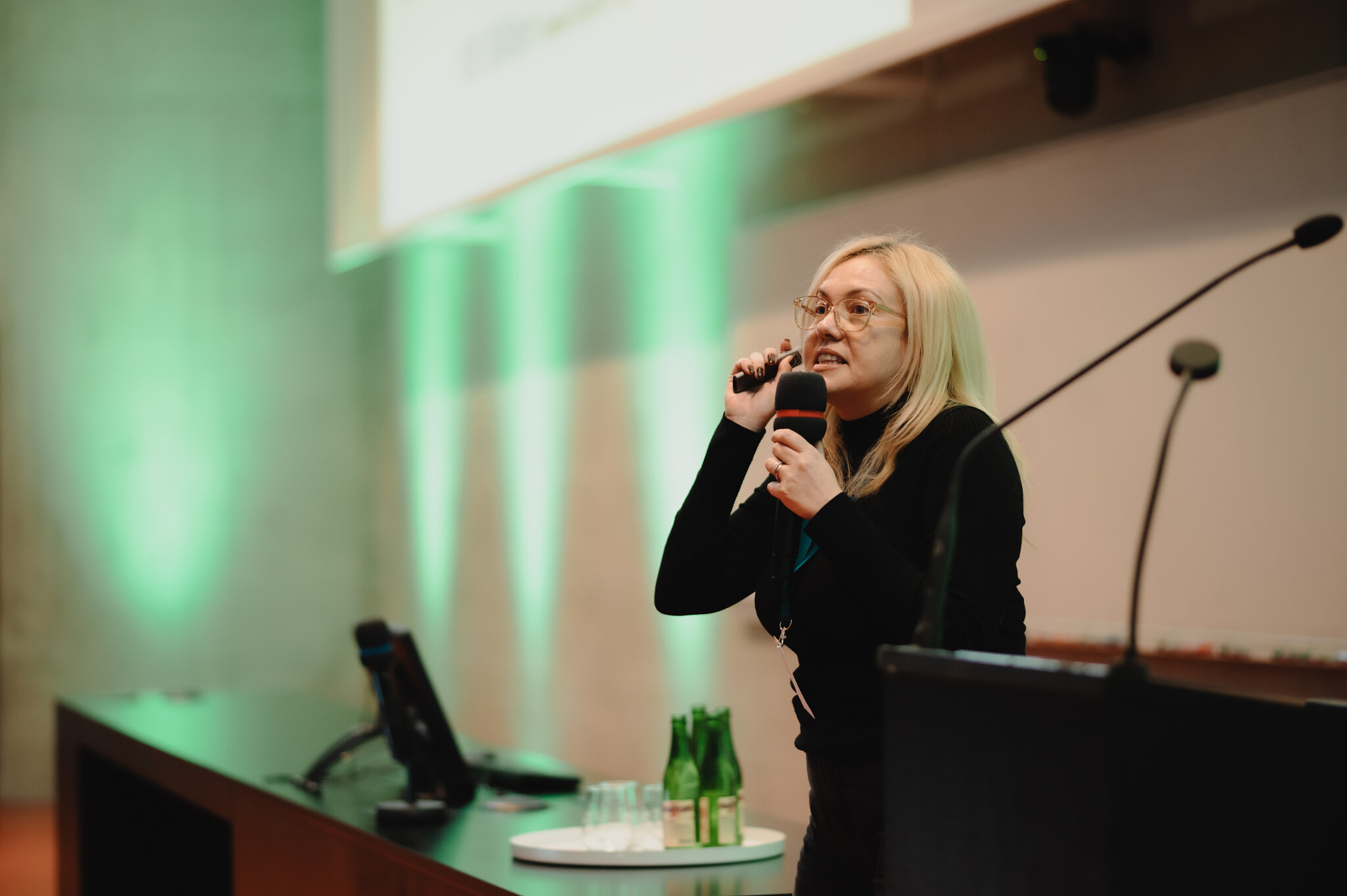
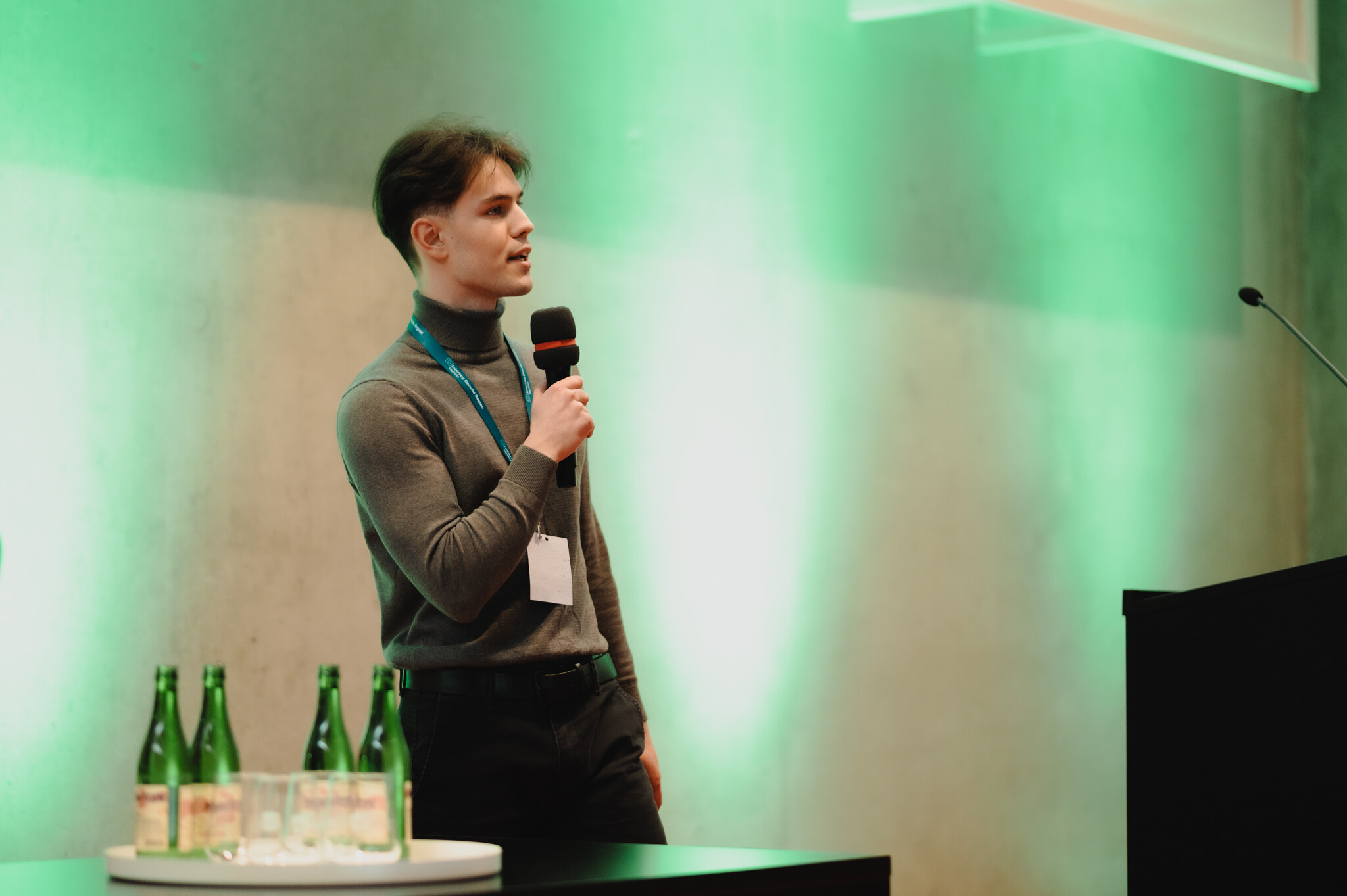
FitverseHub (Brașov): Mihai Bundea introduced ScaleTech’s FitverseHub, a pocket-sized personal coach designed to learn and evolve with the user. The app focuses on removing friction from fitness, providing Personalized Workouts & Coaching and Nutrition Insights & Meal Photos (calorie estimates from simple photos) without the need for wearables. Its success is driven by gamification, daily motivation, and a community feature that fosters habit building and long-term progress.
Cluj IT is committed to continuing the journey with both Recycllux and FitverseHub, exploring new avenues for collaboration and support beyond the DDAccelerator.Key Takeaways on Tech Transfer and Funding
Shaping the Future of Tech Transfer
The final day of the conference was dedicated to the CapTTict project’s activities, with a special focus on best practices and methodologies for the Digital Danube Acceleration Programme.
A notable contribution from the Cluj IT cluster came from Laviniu Chis, who showcased two relevant technology transfer success stories from Romania. This work is a direct result of Cluj IT’s coordination on the project objective of enhancing capacities for technology transfer at Higher Education Institutions and public research organisations. The project partners, under Cluj IT’s lead, have developed a set of Guidelines for management for effective tech transfer in the field of ICT, which are scheduled to be publicly available in the first half of 2026.
The event offered valuable opportunities for networking and establishing future collaborations, reinforcing the commitment to fostering a greener and more digital Danube Region through innovation.
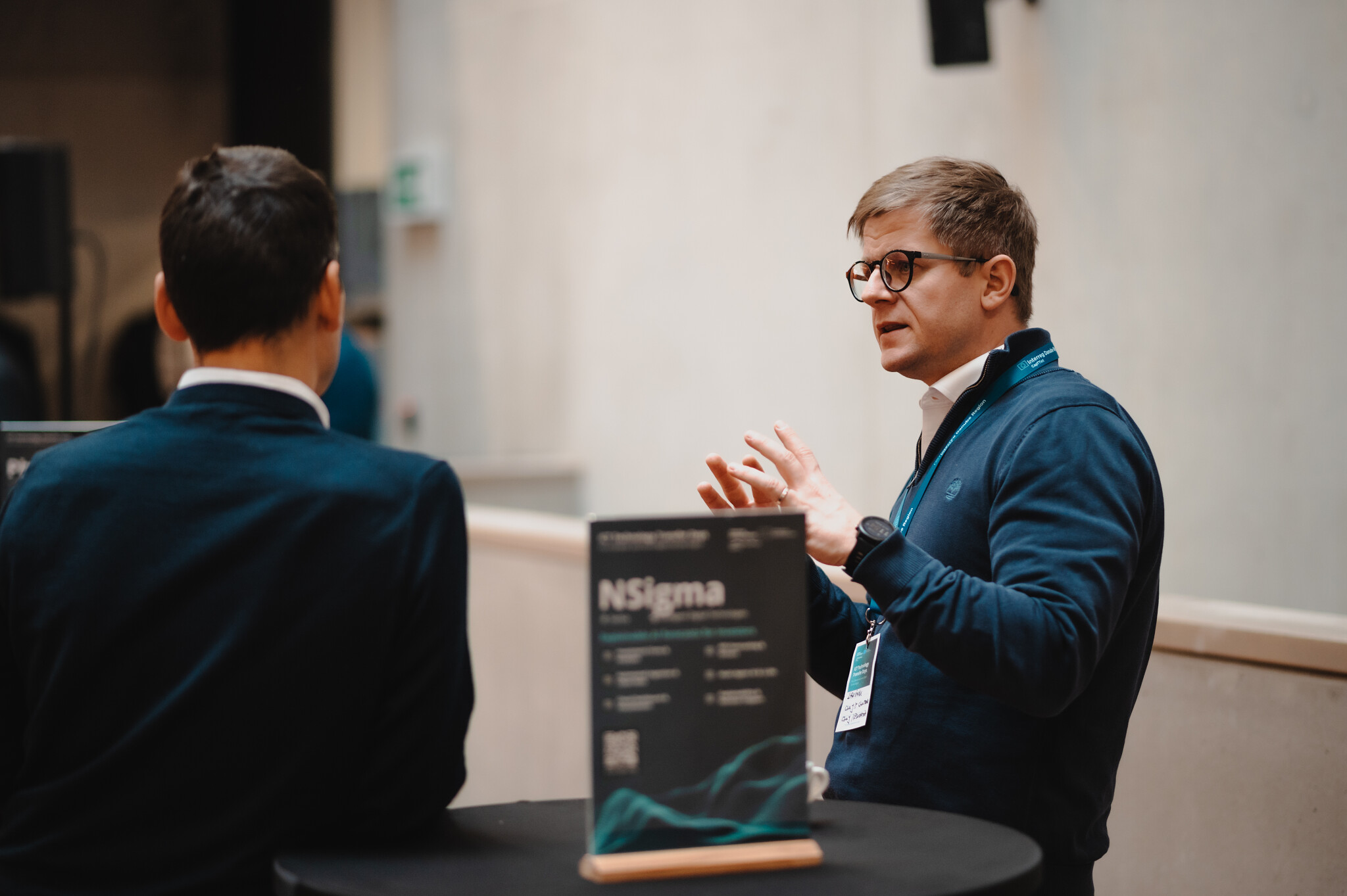
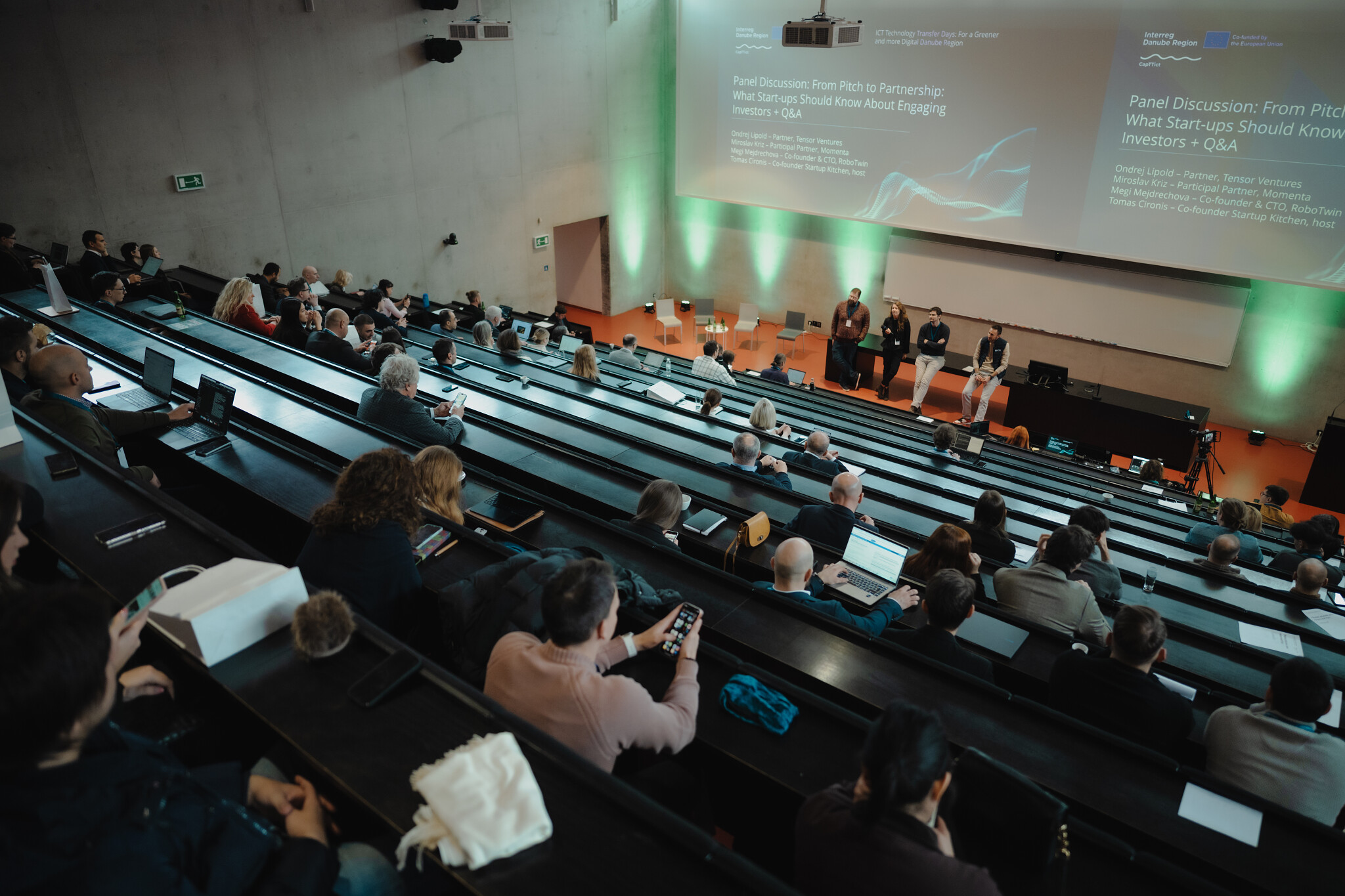
The event also featured valuable discussions for startups and investors, notably the panel “From Pitch to Partnership: What Start-ups Should Know About Engaging Investors.” Key insights included:
- Drivers of Tech Transfer: Innovation is fundamentally driven by leaders and founders, not institutions. A strong founder mindset, pushing forward despite systemic challenges, is crucial.
- The Funding Paradigm in Europe: The consensus pointed to a need for a shift in European VC risk appetite, which was described as risk-averse. A call was made to remove the “back-up blanket” of public funding, or at least reform its distribution to be handled by universities rather than other public authorities, to encourage broader investment, including in high-risk, high-reward ventures.
- The Need for Ecosystem Leaders: The main problem identified in the ecosystem is a lack of serial technology entrepreneurs who are also investors. The goal is to create case studies of successful spin-offs to demonstrate proven paths (“This is how we did it”) and promote effective tech transfer practices.


