Building a European Data Economy: Reflections from the Digital SME Summit 2025
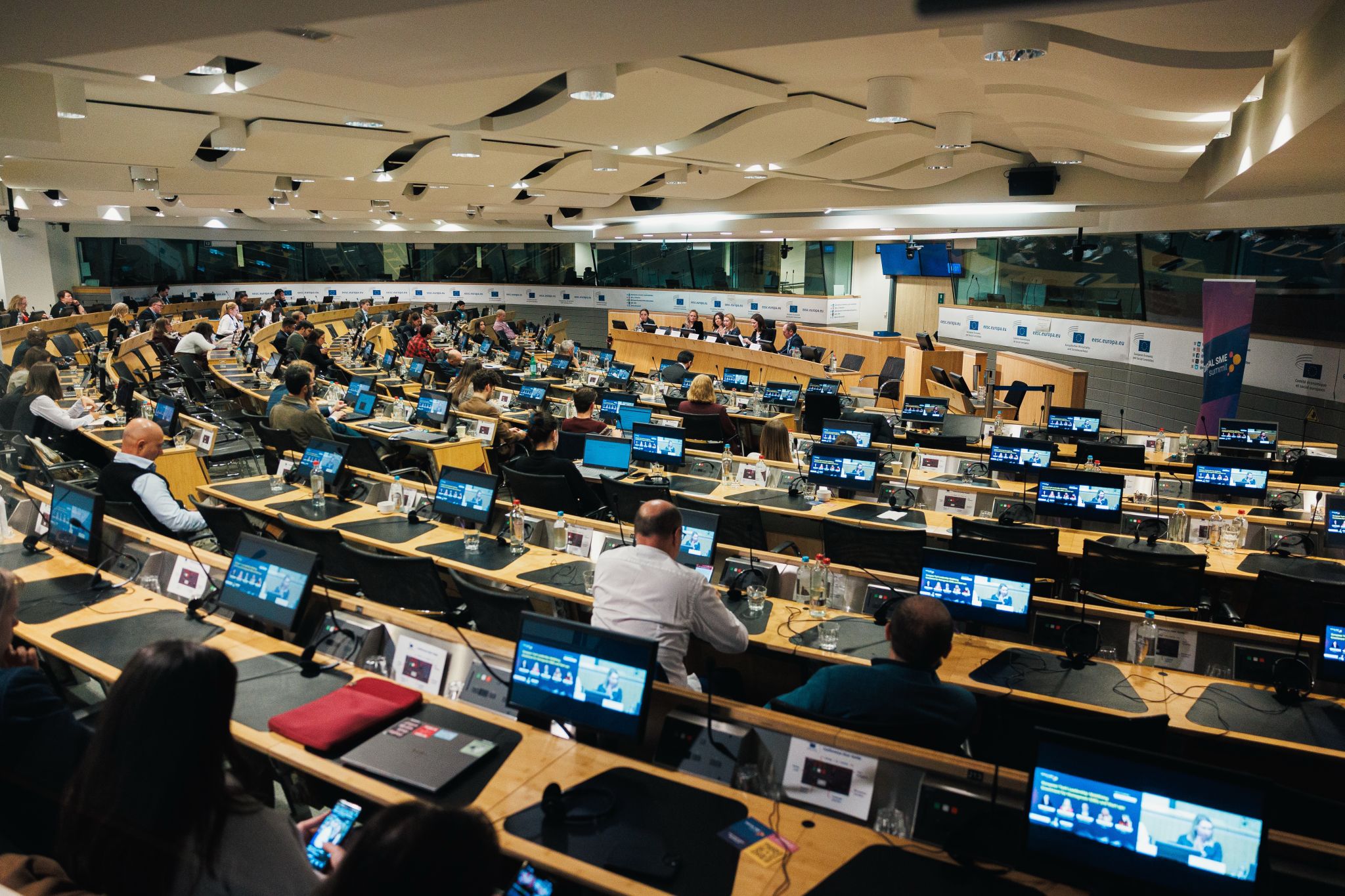
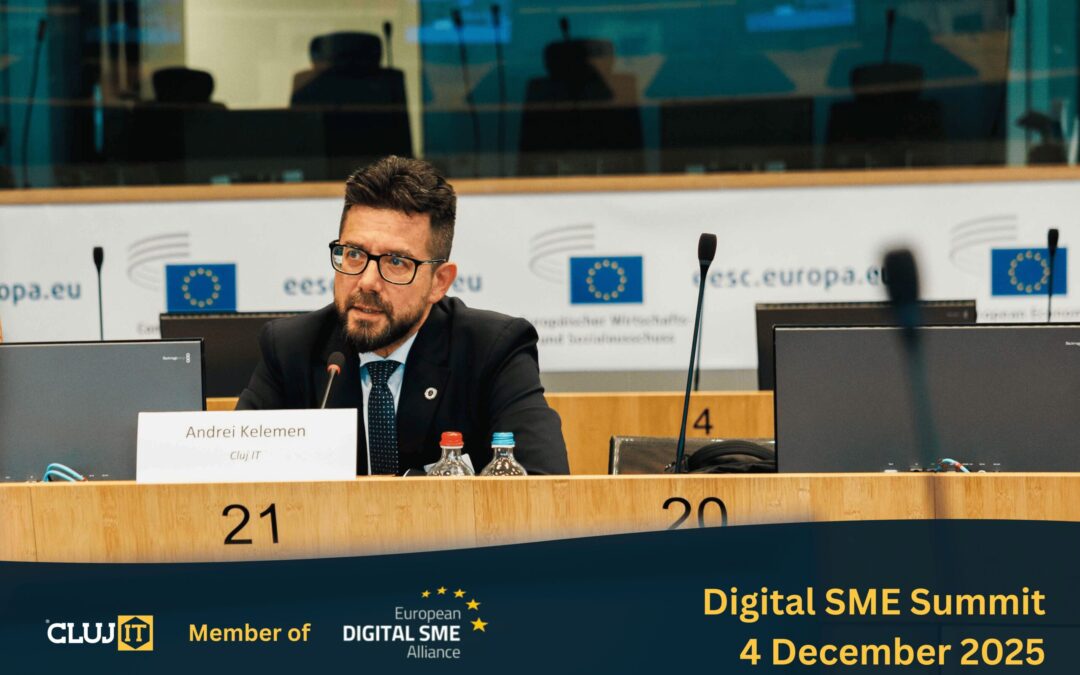
Speaking on the panel “The Data Act and the Aftermarket: Ensuring Competition and Access for SMEs” at the Digital SME Summit 2025 didn’t feel like just another discussion on regulation. It felt like a moment to step back and ask a bigger question:
Are we building a European digital architecture that truly works for SMEs?
One idea kept coming back during the session and it stayed with me long after: Europe never had a data problem, it had a power problem. For years, SMEs have operated in markets where access to the data they help generate was limited by structural imbalances. Innovation wasn’t lacking, but fair conditions were. And the Data Act is the first serious attempt to change that.
We are past the point where big policy statements are enough. Europe needs a digital architecture that is:
- clear about who controls and accesses data,
- interoperable and open,
- connected to real data flows, and
- governed in a way that protects fairness without slowing us down.
The Data Act helps turn data from something locked and siloed into something liquid – data that moves, combines, and creates value across sectors and borders. But rights on paper only matter if SMEs can actually use them.
Two issues came up strongly in our panel:
The trade secret loophole
This already makes data access hard for SMEs, and the Digital Omnibus risks widening it. We must ensure this doesn’t roll back the progress the Data Act promises.
The implementation gap
Many SMEs don’t have the legal, technical, or negotiation capacity to exercise their rights. Without guidance and strong enforcement, the Act risks becoming symbolic. This is where the real work now lies.

AI factories, gigafactories… and the missing ingredient
Europe is investing heavily in AI factories, fabs, and HPC infrastructures. But the discussion reminded me of a simple truth:
- An AI factory without data is just a cluster of GPUs.
- A gigafactory without shared telemetry is just a fancy building.
- A data space without real connections is just a policy concept.
If Europe wants world-class digital capabilities, these infrastructures must be fed with real data from cities, factories, vehicles, energy systems, hospitals—and SMEs. This is not a technical nuance. It’s a strategic imperative.
Building fast – and building European
A recurring theme at the Summit was the tension between speed and values.
But I don’t think these goals are in conflict.
We can build fast and stay true to the European approach: decentralised, interoperable, human-centric, and SME-driven. We don’t need to copy models built for economies dominated by hyperscalers. Our strength lies elsewhere.
The Data Act is a key part of this – if we protect its core and make implementation real.
I have left the Summit with optimism, but this time better grounded in reality. What encouraged me most was a shared understanding that:
- SMEs can still drive European innovation.
- Data liquidity is essential for competitiveness.
- Big infrastructures must connect to real ecosystems.
- Guidance and enforcement matter as much as legislation.
- Europe needs its own digital model—not an imported one.
If we get the architecture right, Europe can build the world’s most SME-friendly, innovation-driven data economy. And that is a future worth building—boldly, quickly, and in a distinctly European way.